
Author: focusworks

  • Navigating Mergers & Acquisitions: Legal Checkpoints for Buyers and Sellers

    Professional business team celebrating successful project completion with handshake and smilesMergers and acquisitions (M&A) can transform a company’s market position, profitability, and long-term trajectory. Yet behind every successful deal lies a complex legal framework that requires careful preparation, negotiation, and compliance. For both buyers and sellers, understanding the critical legal checkpoints of an M&A transaction is essential to ensuring a smooth and strategic transfer of ownership. At Goodgold West Maitlin & Klein, we guide businesses through each stage of the process with precision, protecting their interests while promoting successful outcomes.

    Understanding the Structure of M&A Transactions

    Every merger or acquisition begins with defining the deal’s structure. Companies can merge through stock purchases, asset acquisitions, or complete corporate mergers. Each carries distinct tax implications, liability concerns, and regulatory requirements. Buyers must determine whether acquiring assets or stock aligns better with their financial and operational goals, while sellers must evaluate which structure offers the best return.

    An experienced mergers and acquisitions lawyer helps clarify how each structure affects existing obligations, including employee contracts, leases, and vendor agreements. Early legal guidance prevents unforeseen complications that could delay closing or affect valuation. Clear planning also ensures compliance with both federal and state laws governing business transactions.

    Conducting Thorough Due Diligence

    Due diligence forms the foundation of a successful M&A deal. Buyers assess the target company’s assets, debts, intellectual property, and potential liabilities. This step identifies risks that could influence purchase terms or lead to post-closing disputes. Sellers, on the other hand, prepare comprehensive documentation to demonstrate transparency and protect against future claims.

    Coordinating financial, legal, and operational reviews is one of the most important steps in any M&A transaction. A mergers and acquisitions attorney ensures that corporate records, licenses, and permits are accurate and current throughout the process. According to the American Bar Association, thorough due diligence helps prevent costly disputes by identifying potential issues before they escalate. Legal counsel also reviews compliance with environmental regulations, data privacy laws, and pending litigation to reduce overall risk exposure.

    Negotiating Terms and Representations

    Negotiation is where deal strategy and legal protection intersect. Purchase price, payment structure, indemnification clauses, and representations must all be clearly defined. Both parties need to establish warranties regarding the company’s financial condition and operational performance. Any ambiguity in these documents can lead to disputes after closing.

    Ensuring that contracts comply with state law and reflect fair, balanced terms is essential in any deal. An experienced M&A lawyer in New Jersey provides this guidance while protecting the client’s operational and financial interests. In transactions spanning multiple jurisdictions, local legal insight becomes especially valuable. Attorneys also assist with antitrust matters under the Hart-Scott-Rodino Antitrust Improvements Act to ensure that mergers and acquisitions advance smoothly without regulatory challenges.

    Regulatory Compliance and Approvals

    Certain industries, such as finance, healthcare, and telecommunications, require government or agency approval before finalizing an M&A deal. Failure to comply can void the transaction or result in significant penalties. Buyers and sellers must also follow state-level reporting requirements, especially when transactions involve large-scale asset transfers or changes in control.

    Legal counsel assists in identifying which approvals are necessary and prepares the required filings. The attorneys at Goodgold West Maitlin & Klein help clients manage these regulatory steps efficiently to avoid costly delays. For more information about the firm’s services and experience, visit our practice areas page.

    Closing the Transaction

    Once due diligence and negotiations conclude, the focus shifts to finalizing the transaction. Closing involves drafting and executing multiple agreements, transferring assets, updating corporate records, and ensuring payment delivery. Each party must verify that all pre-closing conditions have been satisfied before signing the final documents.

    At this stage, coordination between legal, financial, and operational teams is vital. A mergers and acquisitions lawyer oversees document execution and ensures that closing conditions align with the negotiated terms. Post-closing, counsel may assist with integration issues, employee transitions, or dispute resolution if contractual obligations are breached.

    Protecting Interests Post-Closing

    After a deal closes, legal work continues. Buyers often face integration challenges, including merging systems, aligning company cultures, and retaining key employees. Sellers must ensure compliance with non-compete clauses and confidentiality agreements. Legal teams help both sides navigate post-closing audits and address any representations or warranties that require adjustment.

    Working with a skilled mergers and acquisitions attorney minimizes the risk of disputes during this phase. Properly drafted contracts and proactive legal oversight can prevent financial loss and maintain business continuity. For additional insights into how our attorneys assist with complex business transactions, explore The Firm.

    Strengthening Your Business Through Legal Guidance

    M&A transactions present exciting growth opportunities but demand precision, diligence, and sound legal counsel. At Goodgold West Maitlin & Klein, our attorneys provide strategic guidance from initial negotiation to post-closing integration, ensuring every stage is handled with care. To speak with our legal team about an upcoming merger or acquisition, contact us today and learn how we can help protect your investment and achieve your business objectives.
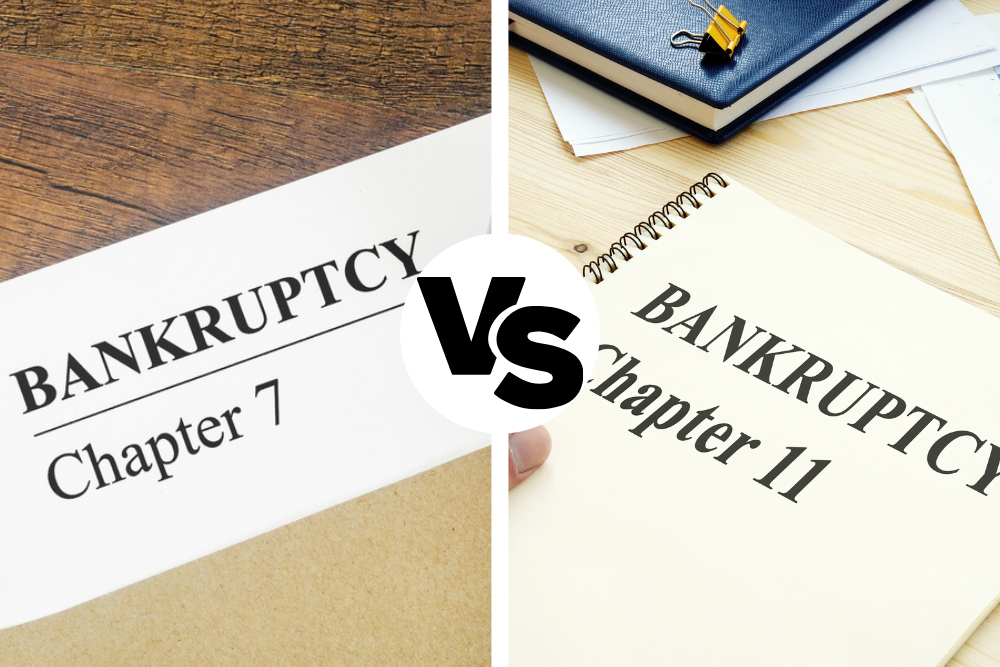
  • Chapter 7 vs Chapter 11: Which Path Is Right for Your Business?

    Chapter 7 vs Chapter 11Financial hardship can impact any business, regardless of size or success. When debt becomes unmanageable, bankruptcy may provide a structured path toward financial relief. For many business owners, the choice comes down to Chapter 7 or Chapter 11. Knowing the difference between these two options is essential. At Goodgold West Maitlin & Klein, we help clients understand their options and protect their long-term financial goals.

    Chapter 7 Liquidation and a Fresh Start

    Chapter 7 bankruptcy, often referred to as liquidation bankruptcy, is typically for businesses that cannot continue operations. A court-appointed trustee liquidates the company’s assets to pay creditors, and any remaining unsecured debt may be discharged. This process allows business owners to close in an orderly way and move forward without lingering financial obligations.

    According to data from the U.S. Courts, Chapter 7 cases represent the majority of business bankruptcies filed nationwide. It’s a practical option for those without the means to restructure debt. However, once liquidation is complete, the business ceases to exist. A bankruptcy lawyer in New Jersey can explain how Chapter 7 affects business and personal liabilities, especially for sole proprietors seeking a financial reset.

    Chapter 11 Reorganization and Recovery

    Chapter 11 bankruptcy focuses on reorganization rather than closure. It allows companies to continue operating while renegotiating debt obligations under court supervision. The business remains in control as a “debtor in possession,” which means management oversees day-to-day operations while following a court-approved repayment plan.

    Many corporations and partnerships prefer Chapter 11 because it gives them the flexibility to restructure debt, renegotiate contracts, and sell assets to maintain liquidity. Reports from the Administrative Office of the U.S. Courts show that Chapter 11 filings increased following recent economic fluctuations. Working with a business bankruptcy attorney ensures that your reorganization plan meets legal standards while protecting your company’s core operations.

    If your business is under financial stress, reach out to us today to discuss which chapter best aligns with your goals.

    Comparing Chapter 7 and Chapter 11

    The key differences between these bankruptcy chapters lie in control, structure, and long-term outcomes:

    • Operations: Chapter 7 ends business activity, while Chapter 11 allows continued operation during restructuring.
    • Debt Resolution: Chapter 7 eliminates debts through liquidation; Chapter 11 involves repayment through a plan.
    • Management: In Chapter 7, a trustee handles liquidation; in Chapter 11, management usually stays in charge.
    • Outcome: Chapter 7 provides closure, while Chapter 11 offers an opportunity to rebuild.

    Each option carries distinct advantages and challenges. Consulting a bankruptcy attorney ensures that your decision aligns with both financial realities and long-term objectives.

    When Chapter 7 May Be the Right Choice

    Chapter 7 is best suited for businesses that no longer generate enough revenue to remain viable. It allows owners to resolve outstanding debts and minimize exposure to further liability. While liquidation marks the end of operations, it can relieve pressure from creditors and help business owners regain stability. This process also ensures fair distribution of assets among creditors and can prevent further legal disputes related to unpaid obligations. By taking this route, business owners can achieve closure and begin rebuilding their financial future with greater confidence. More information on related legal support is available on our practice areas page.

    When Chapter 11 Offers the Better Option

    For businesses that still have growth potential, Chapter 11 can serve as a lifeline. It helps maintain relationships with suppliers, safeguard jobs, and restructure obligations under court oversight. The process requires transparency, financial reporting, and approval of a repayment plan that can span several years. To learn more about the professionals who guide this process, visit our team page.

    With guidance from a business bankruptcy lawyer, your company can regain stability while maintaining control of its daily operations. Chapter 11 also helps prevent creditor collection actions during the reorganization process, allowing business owners to focus on long-term recovery rather than short-term financial pressure. By following a carefully structured repayment plan, businesses can strengthen their foundation and emerge more financially resilient than before.

    Long-Term Effects of Bankruptcy

    Bankruptcy impacts credit and borrowing ability, but the long-term outcome often depends on how the process is managed. Chapter 7 may close one chapter but open the door to future opportunities. Chapter 11 can preserve value and strengthen financial discipline. The right legal approach ensures compliance with federal law and positions your business for renewed growth.

    A Path Toward Renewal

    Deciding between Chapter 7 and Chapter 11 can shape your business’s future. Goodgold West Maitlin & Klein provides the legal clarity and representation you need to make sound financial decisions. To discuss your circumstances, contact us today and let our firm help you move toward stability and recovery.

  • Commercial Lease Pitfalls: What Business Tenants in New Jersey Should Watch For

    Commercial Lease Agreement is shown as business and financial conceptLeasing commercial property can be an exciting step for any business, but it also carries legal and financial risks that many tenants overlook. A poorly drafted lease can lead to costly disputes, unexpected expenses, or restrictions that limit your operations. Understanding these potential pitfalls before signing is crucial for protecting your company’s future. At Goodgold West Maitlin & Klein, we help business owners negotiate, review, and manage lease agreements to ensure their interests are protected under New Jersey law.

    Common Traps Hidden in Commercial Leases

    Commercial leases are often written to favor landlords, making it essential for tenants to read and understand every clause before committing. Ambiguities in rent adjustments, repair responsibilities, or renewal terms can cause confusion later. A commercial lease attorney in New Jersey can identify hidden obligations that might otherwise go unnoticed.

    One of the most frequent issues arises from maintenance and repair clauses. Many landlords shift these costs to tenants, sometimes including structural repairs that should not fall under tenant responsibility. Tenants should also pay close attention to “as-is” conditions in the lease, which could make them liable for preexisting problems in the property.

    The Risks of Rent Escalation and Hidden Fees

    While the base rent is often clearly stated, many leases include additional charges that increase over time. Common examples include property tax escalations, maintenance fees, and utility contributions. These expenses, known as
    “pass-through costs,” can significantly raise occupancy costs if not clearly defined.

    Another key risk involves percentage rent clauses, which require tenants to pay a percentage of their revenue in addition to base rent. While this may seem fair for retail tenants in prime locations, the formula for calculating gross sales is not always straightforward. Reviewing these terms with a commercial real estate lawyer helps prevent unexpected financial strain down the line.

    Personal Guarantees and Subleasing Restrictions

    Landlords often ask business owners to personally guarantee lease payments, especially for new or small businesses. This means that if the company cannot pay, the owner’s personal assets could be at risk. Negotiating a “limited” or “conditional” guarantee can minimize exposure while still providing the landlord with security.

    Subleasing restrictions are another area where tenants must exercise caution. Many landlords require approval before allowing a subtenant, and some even prohibit subleasing entirely. This can limit flexibility if your business outgrows the space or needs to relocate. A business lease lawyer can help structure these provisions to preserve your options in changing market conditions.

    To learn more about how we assist business owners with lease negotiations and related matters, visit our practice areas page for additional details.

    Maintenance, Improvements, and End-of-Lease Obligations

    The physical upkeep of a leased space can become a source of contention if the lease terms are vague. Tenants may assume landlords are responsible for major systems like HVAC, plumbing, or roofs, only to find that the contract assigns them full responsibility. The wording of “repair and maintenance” clauses often determines who bears these costs.

    One particularly overlooked issue involves tenant improvements. Many businesses invest heavily in customizing their leased space, yet some leases require tenants to restore the property to its original condition at the end of the term. This restoration clause can result in unexpected expenses when vacating the property.

    If you are negotiating or renewing a lease, seek professional legal guidance to ensure your agreement is structured properly and free from common pitfalls. You can contact us to schedule a consultation and discuss your commercial leasing concerns in detail.

    A Closer Look at Lease Termination Clauses

    Termination provisions define how and when a lease can be ended. While landlords often have clear rights to terminate for nonpayment or default, tenants may have limited options to exit early. Some leases allow termination only through specific buyout clauses, which can be financially burdensome.

    Key details to review include:

    • Notice requirements for default or termination.
    • Cure periods, which specify how much time a tenant has to fix a violation.
    • Early termination fees or penalties for vacating before the lease ends.

    Negotiating balanced termination terms can prevent severe financial repercussions if the business must close or relocate unexpectedly. An experienced commercial landlord-tenant attorney can review these provisions and recommend fairer terms before you sign.

    Ensuring Long-Term Stability for Your Business

    A commercial lease is more than a rental agreement; it is a binding contract that defines your business’s operational rights and financial responsibilities. Each clause has long-term implications for how your company grows and adapts. Working with experienced legal counsel can help uncover hidden risks and prevent disputes before they occur.

    At Goodgold West Maitlin & Klein, our attorneys have extensive experience representing tenants and business owners in all aspects of lease negotiation and enforcement. We aim to secure agreements that support your company’s success, protect your investment, and reduce exposure to costly legal disputes. For dependable guidance on your next lease agreement, contact us today.

  • When Should a Business Consider Litigation vs Alternative Dispute Resolution?

    Two business people at a heated dispute or argument, the process of negotiation breaks downBusiness disputes can disrupt operations and strain partnerships. The key question for many companies is whether to pursue litigation or an alternative dispute resolution (ADR) process. Both options aim to settle conflicts, but they differ in time, cost, privacy, and impact on business relationships. At Goodgold West Maitlin & Klein, we guide business owners through these choices, helping them achieve fair and efficient outcomes.

    If your company is facing a legal dispute, contact our firm for personalized advice on resolving conflicts effectively.

    Understanding Litigation and ADR

    Litigation involves resolving disputes in court, where a judge or jury delivers a binding decision. It follows formal procedures, including filing motions, discovery, and trial. Alternative Dispute Resolution, which includes mediation and arbitration, occurs outside the courtroom and typically results in faster, more private outcomes.

    Mediation uses a neutral third party to help both sides reach a voluntary agreement. Arbitration is more structured, with an arbitrator issuing a binding decision. A business litigation attorney in New Jersey can help determine which approach aligns with your company’s priorities and resources.

    When Litigation May Be the Better Option

    Litigation is often necessary when disputes involve significant financial stakes, complex contracts, or the need for legal precedent. It offers public accountability and enforceable outcomes, which are essential when one party refuses to cooperate or when discovery is needed to obtain critical evidence.

    Common examples include:

    • Breach of contract or refusal to honor an agreement
    • Intellectual property disputes requiring injunctions
    • Shareholder or partnership disagreements involving fiduciary duties
    • Violations of regulatory or compliance obligations

    While litigation can be lengthy, its structured process allows for appeals and judicial enforcement. Our About Us page outlines our decades of courtroom experience and commitment to providing strong, strategic representation when litigation is the most appropriate course of action.

    The Advantages of Alternative Dispute Resolution

    ADR often offers a quicker, more cost-effective, and private method of resolving disputes. It allows businesses to preserve professional relationships and avoid the publicity of a trial.

    ADR works well in situations where:

    • Confidentiality is essential
    • Ongoing partnerships exist between parties
    • Time and budget constraints are priorities
    • Technical disputes require industry-specific arbitrators

    Mediation encourages creative, mutually acceptable outcomes, while arbitration provides finality without the delays of the court system. A commercial litigation lawyer can assist in drafting ADR clauses in business contracts, ensuring flexibility in dispute resolution. The American Bar Association notes that ADR often leads to faster resolutions and higher satisfaction rates compared to traditional litigation.

    Key Differences Between Litigation and ADR

    Choosing the right path requires understanding several critical distinctions:

    • Cost and Time: Litigation is often more expensive and time-consuming, while ADR tends to resolve matters efficiently.
    • Privacy: Court cases are public, but ADR proceedings are usually confidential.
    • Control: Mediation gives parties greater control over the outcome, unlike court decisions determined by judges or juries.
    • Enforceability: Court judgments carry legal authority, while arbitration awards may need specific confirmation procedures.

    A business dispute lawyer can help analyze these factors to ensure the chosen process aligns with your company’s objectives. The right guidance prevents unnecessary expense and helps maintain operational focus throughout the dispute.

    For more information about how our attorneys handle business conflicts, visit our practice areas.

    Choosing the Right Strategy for Your Business

    Every dispute is unique. Large-scale conflicts that involve significant damages or public interest often require litigation. Smaller or confidential matters, however, can benefit from mediation or arbitration. Some companies even use a two-step process, attempting ADR first and turning to litigation only if it fails.

    A corporate litigation attorney can evaluate the situation and recommend a strategy that balances efficiency and protection. With extensive experience in both litigation and negotiation, our firm helps clients achieve favorable resolutions while minimizing disruption to their business operations.

    Building Long-Term Business Stability

    Disputes are part of business, but how they are managed determines long-term stability and success. Working with experienced counsel ensures that every decision serves your company’s financial and strategic goals. Goodgold West Maitlin & Klein offers the legal insight needed to handle disputes effectively, whether through litigation or alternative resolution. To learn more about how our firm can assist your business, contact us today.

  • Updating Your Estate Plan after Major Life Events

    Estate Planning concept. Planning for the transfer of assets and Inheritance taxLife is full of changes, and each new chapter can alter how your assets should be managed and distributed. Marriage, divorce, the birth of a child, or even a significant financial shift can all affect your estate plan’s effectiveness. Failing to review and update these documents can lead to unintended outcomes or legal complications for loved ones. At Goodgold West Maitlin & Klein, we help families and individuals ensure that their estate plans reflect their current wishes, relationships, and responsibilities.

    Why Estate Plans Should Evolve Over Time

    An estate plan is not static. As your life changes, so should your legal documents. Outdated plans can create disputes, delay probate, or direct assets to people no longer intended to inherit them. A proactive review of your plan ensures that it continues to align with your goals and state law.

    Our attorneys recommend reviewing your plan at least every few years, or immediately after any significant life event. Working with our estate planning lawyer allows you to update key documents, such as wills, trusts, powers of attorney, and beneficiary designations, to reflect your current situation.

    Key Life Events That Require Estate Plan Updates

    Certain milestones naturally call for an estate plan review. Each event can influence how your property, guardianship choices, or healthcare decisions are managed. Below are some examples of when updates become essential:

    • Marriage: Combining finances or acquiring joint property often requires adding your spouse as a beneficiary or co-trustee.
    • Divorce: Removing an ex-spouse from your will or trust prevents unintended inheritance and clarifies future responsibilities.
    • Childbirth or Adoption: Updating guardianship designations and providing for children through trusts ensures financial protection if something happens to you.
    • Death of a Beneficiary: If a named heir or trustee passes away, replacements must be appointed to prevent confusion or probate delays.
    • Significant Financial Changes: Acquiring real estate, opening a business, or receiving an inheritance may require revising asset distribution plans.
    • Relocation: Moving to another state can introduce different estate laws that affect the validity of your documents.

    A wills and trusts attorney can help identify which updates are most urgent and ensure your estate plan complies with current New Jersey regulations.

    Reviewing Wills, Trusts, and Beneficiary Designations

    A will or trust is the foundation of most estate plans. When life changes, so do your priorities. You can add new heirs, revise distributions, or assign alternate executors and trustees. Failing to do so can lead to probate complications or disputes among family members.

    Reviewing beneficiary designations on life insurance policies, retirement accounts, and investment portfolios is equally important. These designations often override instructions in a will, meaning an outdated listing could unintentionally leave assets to the wrong person. A family estate attorney can ensure these designations align with your overall plan and prevent future conflicts.

    The Role of Trusts in Protecting Your Legacy

    Trusts offer flexibility and privacy while helping to avoid lengthy court proceedings. When major life events occur, reviewing your trust structure ensures your chosen beneficiaries and terms still make sense. You may wish to:

    • Adjust trustee responsibilities to reflect family changes or relocations.
    • Add provisions for newly born or adopted children.
    • Revise distribution conditions, especially if beneficiaries’ financial circumstances have changed.

    Regularly updating your trust with professional guidance preserves control over your assets and keeps your estate plan aligned with your goals.

    The Importance of Updating Powers of Attorney and Healthcare Directives

    Significant life changes can also affect who you trust to handle financial or medical decisions if you become unable to do so. Review your durable power of attorney and healthcare proxy whenever your personal relationships shift. If you recently married, divorced, or lost a close family member, the person currently designated may no longer be the most appropriate choice.

    Working with a probate lawyer in New Jersey ensures your documents reflect updated wishes and meet the state’s legal standards. You can also visit our Practice Areas page to learn how we assist clients with estate planning, probate, and trust administration.

    How Legal Guidance Simplifies the Process

    Updating an estate plan may seem overwhelming, but professional legal assistance makes it easier and more reliable. Our team helps identify potential conflicts, ensures compliance with evolving laws, and efficiently prepares the necessary amendments. You can learn more about our attorneys and their experience by visiting the Our Team page.

    At Goodgold West Maitlin & Klein, we understand that your estate plan reflects your life’s most personal choices. Whether you’re expanding your family, facing separation, or managing new assets, we work closely with you to design a plan that secures your legacy and protects those you care about most.

    Keeping Your Future Secure

    Life’s milestones deserve celebration, but they also call for reflection and careful planning. The attorneys at Goodgold West Maitlin & Klein help individuals and families across New Jersey maintain accurate, up-to-date estate plans that reflect their evolving lives. We prepare, amend, and review wills, trusts, and related documents to safeguard your intentions and protect your family’s future. To discuss updates to your estate plan, contact us today.

  • How to Protect Your Business When Hiring Independent Contractors

    male foreman shaking hand to camera making a deal standing in white impartments holding blueprint with man architect working on laptopHiring independent contractors can offer companies flexibility, reduce expenses, and provide access to skilled talent without the obligations of full-time employees. However, mistakes in classification or vague contracts can expose a business to serious risks such as tax penalties, wage disputes, and liability for benefits.

    At Goodgold West Maitlin & Klein, we guide business owners in structuring independent contractor relationships that protect their interests and comply with both federal and state requirements.

    Understanding Independent Contractor Classification

    The first and most crucial step to protect your business is correctly identifying whether a worker qualifies as an independent contractor or employee. The U.S. Department of Labor (DOL) applies the “economic reality test” to determine the level of control and independence involved in the working relationship. Factors such as the worker’s financial investment, freedom to manage their own time, and duration of engagement are closely analyzed.

    In New Jersey, the ABC test goes a step further. It assumes a worker is an employee unless the employer can prove all three conditions of independence. Misclassification can lead to back taxes, unpaid overtime, and legal disputes. Working with our business lawyer in New Jersey ensures compliance with these legal definitions before signing any agreements.

    Drafting Legally Sound Contractor Agreements

    A firm contract provides clear expectations and protects your company’s legal position. It should outline the scope of work, deliverables, payment terms, deadlines, and ownership of any materials produced. Every agreement should also state that the contractor is responsible for their own insurance, tools, and taxes.

    A qualified contract attorney can draft agreements that minimize liability while meeting state and federal requirements. To explore how our firm assists with business documentation, visit our Practice Areas page. Including clauses that address confidentiality, intellectual property rights, and dispute resolution helps prevent misunderstandings later.

    Protecting Intellectual Property Rights

    Independent contractors often create designs, code, written materials, or other intellectual property as part of their projects. Without clear ownership terms, contractors may retain rights to their creations. A “work-for-hire” or assignment clause ensures that your company, not the contractor, owns all resulting materials.

    According to the U.S. Copyright Office, ownership must be transferred in writing to be legally enforceable. A business lawyer in New Jersey can review and adjust contract language to make sure intellectual property belongs to your business. This protection is essential for the creative, tech, and design industries.

    Maintaining Compliance With Labor and Tax Laws

    Even with written agreements, businesses must operate within employment and tax regulations. The Internal Revenue Service (IRS) monitors contractor relationships to ensure companies do not improperly avoid payroll taxes or benefits. Common red flags include requiring contractors to work fixed hours, providing them with tools or office space, or controlling how tasks are performed.

    An experienced employment lawyer can help evaluate your contractor arrangements using the IRS 20-Factor Test. This analysis helps confirm that the relationship meets independence standards. You can also visit our About Us page to learn how our attorneys help employers maintain compliance through preventive legal planning.

    Creating Policies for Contractor Management

    Consistent internal policies strengthen your business’s compliance and reduce the chance of legal disputes. These policies should require contractors to submit invoices for completed work, provide their own materials, and handle their own scheduling. Routine reviews of contractor relationships ensure they remain classified adequately over time.

    Consulting our business attorney can help identify procedural weaknesses and ensure your company’s policies are legally sound. Learn more about our legal team’s experience in employment and business law by visiting the Our Team page.

    Early Legal Guidance Prevents Expensive Mistakes

    Many companies wait until problems arise before seeking legal advice. By that time, resolving misclassification issues can be costly. New Jersey authorities actively enforce compliance and impose steep penalties for violations. Early legal guidance can help you build durable agreements and avoid unnecessary risks.

    At Goodgold West Maitlin & Klein, we assist businesses of all sizes in establishing compliant relationships with independent contractors. Our attorneys provide proactive advice that helps you avoid disputes and maintain operational integrity.

    Building a Secure Foundation for Your Business

    Independent contractors can be valuable assets when appropriately managed. The attorneys at Goodgold West Maitlin & Klein assist businesses across New Jersey in drafting contracts, protecting intellectual property, and ensuring compliance with employment laws. Strong contracts and consistent oversight help prevent future complications and keep your company operating smoothly. To learn how our firm can help you manage these relationships effectively, contact us today.

  • When Bankruptcy Makes Sense: A Guide for Small Business Owners

    Smiling attractive young waiter standing at cafe counter in small cafeteria. Male cafeteria staff vendor seller selling food and drinks to customersRunning a small business requires persistence, planning, and a steady focus on long-term goals. Yet even successful companies can experience financial setbacks when markets shift, expenses rise, or clients delay payments. In these situations, bankruptcy can be a lawful and strategic solution rather than a failure.

    At Goodgold West Maitlin & Klein, we assist small business owners across New Jersey in determining whether filing for bankruptcy is the most effective way to regain control and protect what they have built.

    Understanding When Bankruptcy May Be the Right Choice

    Bankruptcy becomes a practical option when a business’s debt exceeds its ability to repay and other recovery efforts no longer provide stability. The U.S. Small Business Administration notes that bankruptcy is designed to help small businesses reorganize or close in an orderly way while pausing collection efforts through the “automatic stay.”

    A bankruptcy attorney in New Jersey can help determine which chapter best fits your circumstances. Chapter 7, known as liquidation, involves selling certain business assets to repay creditors. Chapter 11 and Subchapter V allow companies to restructure debt and continue operating under a court-approved repayment plan. The right approach depends on the size of the business, the nature of its debts, and its long-term viability. Working with a knowledgeable attorney ensures the chosen path aligns with your financial goals and protects both your business and personal interests.

    Signs It May Be Time to File

    Identifying the warning signs early can make a significant difference in your outcome. By recognizing these financial red flags before they escalate, business owners can make proactive decisions that preserve their company’s stability and limit long-term damage.

    Business owners should be alert to:

    • Ongoing difficulty paying suppliers or employees on time
    • Constant negative cash flow with no improvement in sight
    • Increasing creditor collection efforts or pending lawsuits
    • Use of personal credit cards or savings to sustain operations
    • Limited or no access to new financing options

    If several of these issues apply, consulting our bankruptcy attorney can help you determine whether filing is the most appropriate step. Bankruptcy can give you breathing room, restore order to your finances, and prevent the loss of valuable assets.

    How Bankruptcy Can Protect Business Owners

    Filing a petition triggers the “automatic stay,” which stops most collection actions immediately. According to the United States Courts, this protection prevents creditors from repossessing property, pursuing judgments, or freezing accounts while your case is pending. For many business owners, this safeguard provides the time needed to reassess their financial position and make informed decisions about their next steps.

    If you have personally guaranteed loans or leases, filing may also help reduce personal exposure. A skilled bankruptcy lawyer in New Jersey can analyze your overall financial obligations and develop a strategy to protect both business and individual assets. At Goodgold West Maitlin & Klein, we help clients understand their rights, organize documentation, and manage every phase of the process with precision and care.

    Evaluating Your Financial Options Before Filing

    While bankruptcy can offer significant relief, it is not the only step available to business owners facing financial strain. Depending on the circumstances, some companies may explore other measures before proceeding with a filing, such as:

    • Negotiating or restructuring existing debts
    • Refinancing to improve repayment terms
    • Selling nonessential assets to increase liquidity
    • Reducing operational expenses to manage cash flow

    These approaches are not guaranteed to resolve every financial issue, but they may provide temporary stability for certain businesses. When these methods no longer address the underlying challenges, bankruptcy may be a structured and lawful way to resolve unmanageable debt. At Goodgold West Maitlin & Klein, our attorneys carefully review each client’s situation and explain every available legal option before any decisions are made.

    Building a Sustainable Financial Future

    Choosing bankruptcy can be the first step toward rebuilding both confidence and financial security. It allows small business owners to take charge of their situation, stop creditor interference, and begin a new chapter focused on growth. With more than 150 years of combined legal experience, Goodgold West Maitlin & Klein provides practical guidance to entrepreneurs, professionals, and individuals throughout New Jersey who need dependable representation.

    If your company is struggling with overwhelming debt or creditor actions, contact our firm today to speak with our bankruptcy attorney. We will evaluate your position, explain your available legal paths, and help you take meaningful steps toward renewed financial health.

  • Wills vs Trusts: Which Tool Fits Your Family’s Needs?

    Paper with the words trust vs will. living trust might be more than you need for your situationPlanning for the future involves more than just financial preparation; it requires legal tools that ensure your family’s well-being and that your wishes are carried out. Two of the most common estate planning instruments are wills and trusts. Both serve essential purposes, but their structure, function, and benefits differ. 

    At Goodgold West Maitlin & Klein, we help families throughout New Jersey understand how these tools work and determine which option provides the best protection for their unique circumstances. If you are uncertain which plan is right for your situation, our estate planning attorney can review your goals and guide you toward the most effective solution.

    Understanding the Role of a Will

    A will is a written document that outlines how your property will be distributed after death. It allows you to name beneficiaries, appoint an executor, and designate guardians for minor children. Without a valid will, the state’s intestacy laws determine who inherits your assets, which may not align with your wishes.

    The New Jersey Courts explain that a properly executed will must meet specific legal standards to be recognized in probate. It should be signed, witnessed, and prepared in accordance with state law. Even a minor oversight can cause delays or disputes later.

    Working with an experienced wills attorney in New Jersey helps ensure your will clearly reflects your intent and complies with all legal requirements. Wills are often best suited for individuals with straightforward estates, specific bequests, or minor children who need named guardians.

    How a Trust Works

    A trust is a legal arrangement that allows you to transfer ownership of assets to a trustee, who manages those assets for the benefit of named beneficiaries. One of the main advantages of a trust is that it can avoid probate, allowing for faster distribution of property while maintaining privacy.

    Trusts come in many forms, including revocable living trusts, irrevocable trusts, and special-purpose trusts for specific needs. A trust lawyer in New Jersey can help determine which type best aligns with your family’s goals. For example:

    • A revocable living trust allows you to modify or revoke terms during your lifetime.
    • An irrevocable trust permanently transfers control, often for tax or asset-protection benefits.
    • A special needs trust provides long-term care for a dependent without jeopardizing government benefits.

    Trusts can also help manage complex assets such as real estate, business interests, or investment portfolios.

    Comparing Wills and Trusts

    Both wills and trusts play essential roles in estate planning, but their advantages differ depending on your priorities.

    • Control: Wills only take effect after death, while trusts can operate during your lifetime.
    • Privacy: Wills become public once filed in probate court; trusts remain private.
    • Timing: Trusts can provide immediate access to funds or property, whereas wills must go through probate first.
    • Cost: Wills are generally less expensive to create, while trusts may involve more detailed planning but save time later.

    While a will is often sufficient for smaller estates, families with significant assets or privacy concerns usually benefit from establishing a trust. At Goodgold West Maitlin & Klein, our attorneys help evaluate your assets, family structure, and long-term goals to determine the best combination of tools for your plan.

    Why Legal Guidance Matters

    Estate planning involves more than simply choosing between a will and a trust. It requires understanding how these documents interact with other elements of your estate, such as beneficiary designations, taxes, and healthcare directives. Working with an estate planning lawyer in New Jersey ensures that each document complements the others and that your plan remains valid even as your life changes.

    At Goodgold West Maitlin & Klein, we take a comprehensive approach to estate planning. Our attorneys prepare clear, enforceable documents that protect families, minimize potential conflicts, and reflect each client’s long-term intentions.

    Protecting What Matters Most

    Choosing between a will and a trust ultimately depends on your goals, the size of your estate, and your family’s needs. Both can offer peace of mind when appropriately structured. With over 150 years of combined experience, Goodgold West Maitlin & Klein provides trusted estate planning services to individuals and families throughout New Jersey.

    If you are ready to create or update your estate plan, contact our firm today to schedule a meeting with our estate planning attorney. We will review your circumstances, explain your options, and help you establish the proper legal foundation for your family’s future.

  • How to Handle a Breach of a Real Estate Contract

    businessman tearing agreement document. breaking contract at officeWhen one party fails to honor the terms of a real estate agreement, the impact can be immediate and financially damaging. Buyers, sellers, and even third-party stakeholders can be affected by missed deadlines, failed contingencies, or outright refusals to fulfill their obligations. A breach of contract is a serious matter, and understanding your options promptly can help prevent further loss.

    At Goodgold West Maitlin & Klein, we represent clients throughout New Jersey in resolving contract disputes related to both residential and commercial property. Whether you’re facing a buyer walkout or a seller refusing to close, our attorneys work quickly to enforce your rights and protect your investment.

    If you’re involved in a transaction dispute, we encourage you to contact our firm to discuss your legal options.

    Understanding What Qualifies as a Breach

    A real estate contract outlines the responsibilities of both the buyer and the seller. These typically include the agreed-upon price, closing date, financing terms, inspections, and required disclosures. If either party fails to meet one of these obligations without a legal excuse, it may constitute a breach.

    Common examples include:

    • A buyer failing to close despite having financing
    • A seller accepting another offer while under contract
    • Refusing to make agreed-upon repairs
    • Delays in providing clear title or disclosure documents

    Not all breaches are equal. Some are minor and can be resolved without terminating the deal, while others are material and may justify legal action. A real estate attorney can help assess the severity and advise on the proper next step.

    What to Do First

    If you suspect a breach, begin by reviewing your contract carefully. Review all contingency deadlines, communication records, and any amendments made throughout the process. Document any efforts to perform your obligations and the other party’s failure to do so.

    Prompt legal advice is essential. Involving a real estate attorney in New Jersey early helps you avoid actions that might weaken your claim, such as waiving key provisions or making informal agreements that aren’t enforceable.

    Depending on the situation, your attorney may advise trying to resolve the dispute through negotiation or proceeding with formal legal remedies.

    Legal Remedies Available

    Several remedies exist when a real estate contract is breached. The appropriate one depends on your goals and the type of harm that has been caused.

    1. Specific Performance
      If monetary compensation isn’t enough, such as when a unique property is involved, the court may require the breaching party to carry out the contract. This is more common when a seller refuses to transfer title after a valid agreement has been reached.
    2. Monetary Damages
      The non-breaching party may recover losses tied to the failed transaction. This can include appraisal fees, lost deposits, inspection costs, and potential lost profits from resale delays.
    3. Contract Termination
      In some cases, the non-breaching party may cancel the contract without penalty and recover damages resulting from the breach.

    Determining which remedy applies to your case requires careful review of the facts. Our practice areas include legal representation for breach disputes and real estate litigation throughout New Jersey.

    Prevention Is Just as Important

    Many breaches happen due to vague language, unmet contingencies, or miscommunication. The best protection against these disputes is a clearly written contract reviewed by a real estate lawyer. Whether you’re buying, selling, or investing, having legal support during the drafting and review process helps avoid potential pitfalls.

    Preventive steps include:

    • Defining specific dates and performance obligations
    • Including clear language for what constitutes default
    • Setting consequences for missed deadlines or financing failures
    • Requiring written documentation of any amendments

    Our firm frequently reviews purchase and sale agreements with our clients before they sign. To learn more about our attorneys and their approach to property matters, please visit our team page.

    Why Legal Representation Matters

    A real estate lawyer in New Jersey does more than prepare documents. When a deal falls through, a legal strategy matters. Should you demand performance, negotiate a release, or pursue damages? Making the wrong decision, especially without legal review, can result in waived rights or further losses.

    At Goodgold West Maitlin & Klein, we guide clients through breach situations with a focus on timely action and practical solutions. Whether your goal is to save the deal or hold the other party accountable, we tailor our approach to meet your specific needs.

    Enforce Your Contract with Confidence

    Real estate transactions involve time, money, and long-term planning. When one party fails to follow through, the fallout can be disruptive. Working with experienced counsel ensures that your interests are protected from the beginning of the dispute to its resolution.

    Our firm assists clients throughout New Jersey in addressing real estate contract breaches effectively and strategically. If you’re involved in a transaction that’s in jeopardy, contact us today. Goodgold West Maitlin & Klein is here to help you move forward with clarity and confidence.

  • How to Prepare for a Deposition: Tips from Litigation Attorneys

    business people and lawyers discussing contract papers sitting at the tableDepositions are a key part of many civil lawsuits. They allow both parties to gather sworn testimony from witnesses or involved individuals before trial. Whether you are a plaintiff, defendant, or third-party witness, a deposition is not something to take lightly. You will be under oath, and your words can shape the direction of a case. At Goodgold West Maitlin & Klein, we work closely with clients throughout the deposition process, ensuring they understand the purpose, procedure, and stakes involved.

    A deposition is usually conducted in a law office setting, with attorneys for both sides present. A court reporter records the testimony word for word, creating a transcript that may be used in court. While the setting might feel informal compared to a courtroom, the legal weight of your statements remains significant. Knowing how to approach the process can make all the difference.

    Know the Purpose of a Deposition

    The deposition allows opposing counsel to understand your side of the story. Attorneys use this opportunity to evaluate your credibility, gather facts, and identify inconsistencies in your statements. According to the Federal Rules of Civil Procedure, depositions are part of the discovery phase, helping each side prepare its strategy for trial or settlement.

    If you are working with a litigation attorney in New Jersey, the goal is to help you respond accurately and avoid misstatements that could be used against you later. While you are required to answer truthfully, you are not obligated to volunteer information beyond the question asked.

    Practice Before the Real Thing

    Preparation is more than just reviewing documents; it involves thorough planning and analysis. A litigation attorney will often hold a mock deposition to simulate fundamental questioning. This helps you get comfortable with the format and teaches you how to pause, think, and answer concisely.

    It is essential to listen carefully to each question. If something is unclear, it is perfectly acceptable to ask for clarification. Never guess. Saying “I don’t know” or “I don’t remember” is better than offering inaccurate information. A mistaken answer can weaken your position and provide leverage to the opposing party.

    For those unfamiliar with how litigation unfolds, our Practice Area page provides an overview of what to expect during each phase of a dispute.

    Dress and Conduct Matter

    Although a deposition is not held in court, it remains a formal legal proceeding. Dress professionally, just as you would for a court appearance. Your appearance, tone, and body language will be observed closely by opposing counsel, and these impressions may be discussed during trial.

    Remaining calm and polite, even in high-pressure situations, is crucial. Some attorneys may use aggressive or leading questions to provoke a defensive reaction. Your litigation lawyer will prepare you for these tactics and help you stay composed under scrutiny.

    Know What to Bring and Review

    Before the deposition, review relevant documents with your attorney. This may include contracts, emails, invoices, or any materials mentioned in your complaint or defense. If you are being deposed about a business dispute or professional matter, accuracy is essential.

    At Goodgold West Maitlin & Klein, we represent business owners and professionals involved in litigation, and we understand how industry-specific details can impact a case. Our team helps ensure that your answers accurately reflect the facts, without speculation or overstatement. You can get to know our attorneys and how we approach complex matters with clarity and diligence.

    Understand What Not to Say

    Depositions are not the time to argue your case or explain motives. Stick to the question, avoid long narratives, and do not attempt to justify your actions unless specifically asked. If an attorney asks about something you did not do, do not assume it is a mistake. Answer only within the scope of your personal knowledge.

    One way to prepare is to study previous testimony or legal guidance provided by your litigation lawyer in New Jersey. Avoid making statements that go beyond your direct involvement or that could be misinterpreted. Remember, silence is better than an unnecessary admission.

    After the Deposition

    Once the deposition concludes, you may be offered a transcript to review for accuracy. If you notice an error or wish to clarify something, your attorney can help you prepare a correction (known as an errata sheet).

    The information collected during depositions may influence settlement discussions or determine which issues proceed to trial. That is why deposition preparation is a standard part of our service to clients in New Jersey litigation matters.

    Position Yourself for Success

    Being well-prepared for a deposition can significantly affect the course of a case. Whether you’re a business owner, professional, or individual party to a dispute, working with an experienced legal team ensures you’re equipped to handle the process effectively.

    At Goodgold West Maitlin & Klein, we help clients approach depositions with clarity, confidence, and a strategic approach. With over 150 years of combined legal service, our attorneys have guided countless individuals through depositions, court appearances, and settlement negotiations. To get started, contact us today.