
Author: focusworks

  • NJ White Collar Crimes: Embezzlement

    pocketing company moneyEmbezzlement is a prominent white-collar crime that significantly impacts businesses and organizations across New Jersey. This crime involves the misappropriation of funds or assets entrusted to an individual, typically occurring within corporate or public office environments. The complexity of such cases and the serious consequences for those involved make experienced legal representation essential.

    At Goodgold West Diaz Bennett & Klein LLC, we focus on defending individuals accused of embezzlement, ensuring their rights are upheld throughout the process. Our firm is adept at handling the subtleties of such cases, providing effective and concise legal support that safeguards our clients’ interests.

    What is Embezzlement?

    Embezzlement is a complex crime involving the misappropriation of funds or assets that an individual has been legally entrusted with but uses for unauthorized purposes. Typically occurring in corporate settings or public offices, embezzlement is distinct from theft as it involves a breach of trust rather than outright stealing. Perpetrators have legal access to the funds or assets but exploit this access for personal gain, often conducting their actions discreetly to avoid detection.

    The handling of embezzlement cases requires a nuanced understanding due to several key factors:

    • Legal Access and Unauthorized Use: Unlike theft, embezzlement features the perpetrator’s legal access to assets, complicating the legal proceedings as this access must be proven to have been exploited for unauthorized uses.
    • Settings and Opportunities: Embezzlement typically happens where individuals manage large sums of money or valuable assets, making positions in corporations or public offices particularly vulnerable.
    • Detailed Legal Framework: The laws governing embezzlement are detailed and complex, demanding a deep comprehension of state regulations and the specifics of each individual case.
    • Variability of Cases: Cases of embezzlement can vary widely in terms of the methods employed, the amounts of money involved, and the legal strategies required for defense or prosecution.
    • Personal and Relational Impact: Embezzlement is not only a financial crime but also a significant betrayal of trust, adding emotional and relational complexities to the legal process.

    Criminal defense attorneys in NJ handling embezzlement cases must skillfully manage both the detailed legal aspects and the sensitive interpersonal dynamics involved, ensuring comprehensive representation and defense.

    The Legal Implications of Embezzlement in New Jersey

    In New Jersey, embezzlement is treated with utmost seriousness due to its potential to cause significant financial damage and violate trust. This crime can lead to severe penalties upon conviction, which may include substantial fines, mandated restitution payments, and possibly extended prison terms. The impact of embezzlement extends beyond the financial; it can permanently tarnish the reputation of the individuals involved.

    Given these consequences, it is crucial to approach such allegations with a thorough legal defense. The intricacies of embezzlement cases require an in-depth understanding of both state laws and the specifics of each case. Legal strategies must be carefully formulated and executed to effectively mitigate the charges and reduce potential repercussions. Whether challenging the evidence, negotiating plea deals, or presenting a strong defense at trial, the guidance of a skilled Millburn, NJ criminal defense attorney is essential in managing these challenging situations.

    Why Choose Us for Your Embezzlement Defense?

    With over 150 years of combined legal experience, our team is uniquely qualified to handle the complexities of embezzlement cases. We provide personalized legal strategies tailored to address the challenges and goals specific to each client. Our defense strategies are comprehensive, designed to challenge the prosecution’s claims and seek the best possible outcome. Learn more about how we can assist by visiting our Practice Areas page.

    Our Approach to Defending Against Embezzlement Charges

    We begin by conducting a thorough investigation of the allegations, working closely with forensic accountants and other financial experts to uncover the facts. This enables us to build a compelling defense that addresses both the legal and financial aspects of the case. Our goal is to ensure that every client receives a fair trial, with their rights vigorously defended at every turn.

    Defend Your Rights with Skilled Embezzlement Defense

    Facing embezzlement charges can be challenging, but you don’t have to confront them alone. At Goodgold West Diaz Bennett & Klein LLC, we offer more than just legal representation; we provide a partnership designed to protect your future. We understand the intricacies of white-collar crime defense and are prepared to use our knowledge and resources to your advantage, ensuring that every client receives the best possible defense. If you’re ready to take the first step towards securing your rights and your future with the guidance of a criminal defense attorney in Millburn NJ, contact us today.
  • NJ Chapter 11 Bankruptcy

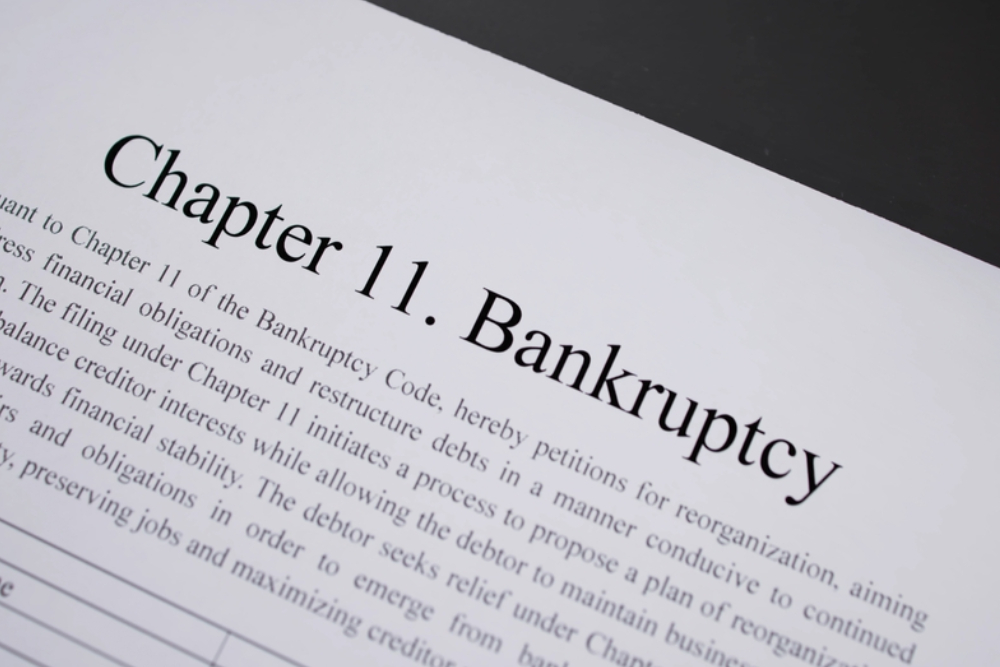
    chapter 11 bankruptcyFor businesses grappling with financial difficulties, Chapter 11 bankruptcy represents a strategic option for restructuring debts while maintaining daily operations. At Goodgold West Diaz Bennett & Klein LLC in Millburn, NJ, we offer comprehensive legal guidance to help clients emerge stronger and ready for future success.

    What is Chapter 11 Bankruptcy?

    Chapter 11 bankruptcy is commonly referred to as reorganization bankruptcy. This type of filing allows businesses to continue their operations while they work to restructure and manage their financial obligations effectively. Importantly, this option is not limited to large corporations; small businesses and even certain individuals can also benefit from the protections and opportunities that Chapter 11 provides.

    During the Chapter 11 process, debtors must present a reorganization plan that demonstrates a viable strategy to keep the business operational and manage payments to creditors over an agreed period. This plan must be approved by the creditors and the court, and it often includes renegotiating terms of debt, selling off assets to pay down balances, and finding ways to increase revenue. The success of a Chapter 11 filing hinges on a detailed legal approach, careful strategic planning, and a deep understanding of both the business’s needs and the legal implications of different restructuring options.

    Why Choose Us for Your Chapter 11 Filing?

    With more than 150 years of collective legal experience, our team is exceptionally well-equipped to steer clients through the complex Chapter 11 process. We are deeply committed to advocating vigorously on behalf of our clients, which includes a diverse range of entrepreneurs, professionals, and business owners facing unique challenges.

    Our firm’s approach is tailored to address the specific needs and goals of each client, ensuring that every legal strategy we recommend is designed to provide the maximum possible benefit. We leverage our broad proficiency across various legal fields to offer holistic solutions that extend beyond simple bankruptcy advice. Discover more about our diverse practice areas on our Practice Areas page.

    Strategic Approach to Chapter 11 Bankruptcy

    Here at Goodgold West Diaz Bennett & Klein LLC, we tailor our strategies to each Chapter 11 case, aiming to maximize positive outcomes while minimizing operational disruptions. Our attorneys, including notable figures like Jonathan S. Goodgold, collaborate closely with clients to craft restructuring plans that are feasible, equitable, and beneficial. To learn more about our team, visit Our Team page.

    The Advantages of Filing for Chapter 11 with Our Firm

    Choosing to file for Chapter 11 offers numerous strategic benefits, designed to provide stability during restructuring while also setting a course for sustainable growth. Here are the key advantages you can expect:

    • Business Continuity: By filing for Chapter 11, your business can remain operational. This continuity is vital for retaining customers, preserving employee jobs, and maintaining relationships with suppliers, all of which are crucial for a business’s long-term survival and success.
    • Opportunity to Reorganize: This bankruptcy chapter provides a structured opportunity for debtors to renegotiate terms with creditors and stakeholders. Our experienced team supports clients in these negotiations, aiming to achieve arrangements that restore and enhance financial health over time.
    • Automatic Stay: The act of filing for Chapter 11 triggers an automatic stay, which provides immediate relief from creditor collection actions. This stay prevents creditors from beginning or continuing lawsuits, making wage garnishments, or even making calls demanding payments, allowing your business the space it needs to reorganize without external pressures.

    Understanding every aspect of Chapter 11 bankruptcy is vital for any business or individual contemplating this step. Including our skilled bankruptcy attorney in Millburn, NJ, we are ready to provide the necessary insight, helping you make informed choices about your financial path. For more detailed information on how we can assist you, please visit our Contact Us page.

    Secure Your Financial Future with Chapter 11 Bankruptcy Guidance

    Goodgold West Diaz Bennett & Klein LLC is here to guide you through the Chapter 11 process with a profound commitment to client success and legal excellence. If you are seeking a fresh start with the support of a Millburn bankruptcy attorney, our firm can be your advocate. Choosing the right legal partner is crucial when facing financial difficulties. Our firm offers not just legal assistance but a partnership aimed at securing your financial stability and future growth. If you’re ready to take the first step towards financial recovery, contact us today at Goodgold West Diaz Bennett & Klein LLC, your dedicated legal ally in Millburn, NJ.

  • Divorce Mediation: Spousal Support

    man giving alimony to his ex-wife at homeAlimony, or spousal support, is a financial payment from one spouse to the other after a separation or divorce. It’s designed to mitigate any economic unfairness that one spouse may face due to the divorce.

    Goodgold West Diaz Bennett & Klein LLC, experienced Millburn divorce attorneys, understand that coming to an agreement on spousal support in NJ can be complex. Divorce mediation may be a less stressful path for deciding on a fair spousal support arrangement while avoiding the costs and time involved in courtroom battles.

    Divorce Mediation for Spousal Support Decisions

    NJ divorce mediation offers a less adversarial approach to resolving disputes, including those surrounding spousal support. This process involves a neutral third party who assists both spouses in reaching an agreement that is equitable and satisfactory. Opting for divorce mediation means embracing a setting that fosters open communication, flexibility, and a tailored resolution that meets the unique needs of both parties involved.

    What to Prepare for Spousal Support Mediation

    Collecting and organizing information about your finances is key before your divorce mediation. Here’s what you should gather:

    • Income: Pay stubs, recent tax returns, bank statements, and other records that document all forms of income for both spouses. This includes wages, salaries, bonuses, investment income, and any other sources of financial inflow.
    • Expenses: Bills, receipts, housing costs, loan payments, and any other documentation that details regular expenses. Track how much is required to maintain the current lifestyle of the spouse receiving alimony.
    • Assets and Debts: Information on all assets including real estate, vehicles, saving accounts, retirement accounts, and any investments. Be sure to outline all debts such as credit card balances, student loans, and outstanding mortgages.

    Entering divorce mediation prepared with detailed financial records has multiple benefits. This thorough preparation can save time, reduce stress, and facilitate the best possible outcome by clearly demonstrating your financial situation.

    Types of Spousal Support in New Jersey

    New Jersey offers varied types of alimony designed to suit different situations:

    • Temporary Support: Financial support during divorce proceedings to help maintain living standards while the case is finalized.
    • Limited Duration Alimony: Payments for a predetermined period, often focused on helping the recipient spouse gain financial independence.
    • Open Durational Alimony: Typically awarded in long-term marriages where one spouse has a significantly lower earning capacity. This support may have no set end date.
    • Rehabilitative Alimony: Designed to assist a spouse in developing skills or credentials necessary to become financially independent. This could include support for job training, vocational programs, or a return to higher education.
    • Reimbursement Alimony: Compensation for one spouse who made significant contributions to the other’s career or educational advancement, often by putting their own professional goals on hold.

    The various types of spousal support highlight the need for careful consideration of your circumstances and goals. Determining what type of alimony fits your situation is crucial for a fair resolution during divorce mediation.

    What Determines the Amount of Spousal Support

    There are numerous factors considered when determining NJ spousal support:

    Length of the Marriage: Longer marriages often result in longer support durations.
    Each Party’s Financial Status: Assets, debts, income, and earning potential are analyzed.
    Age and Health of Both Parties: These factors may impact employability and earning capacity.
    Earning Capacities and Employability: Differences in ability to earn income will be a major factor.
    Standard of Living Established During the Marriage: The goal is to help the lower-earning spouse maintain a similar lifestyle if possible.
    Parental Responsibilities for Children (If Applicable): Childcare needs may influence the alimony agreement.

    Determining spousal support is rarely a simple calculation. The numerous factors considered underscore the complexity of these decisions. This highlights the importance of careful legal counsel to ensure that all relevant aspects of your situation are taken into account.

    Partner with an Experienced Millburn Divorce Attorney

    Determining and negotiating spousal support can be one of the most complex aspects of a divorce. When faced with the intricacies of spousal support in NJ, the guidance of Millburn divorce attorneys at Goodgold West Diaz Bennett & Klein LLC becomes invaluable.

    Our experience in NJ alimony laws and NJ divorce mediation ensures that the mediation process is navigated with precision, compassion, and a deep understanding of each client’s unique circumstances. Call us today to schedule your consultation.

  • Family Law Mediation: Parenting Plan

    sad child and his parents arguing. Problem in the familyDivorces and separations are difficult, especially when children are involved. Developing a parenting plan in New Jersey can become a contentious source of disagreement.

    At Goodgold West Diaz Bennett & Klein LLC, our experienced Millburn family law attorneys help families create effective and lasting parenting plans tailored to their specific needs. We strongly believe that mediation offers a constructive path toward developing these vital agreements.

    Mediation for Parenting Plan

    A parenting plan is a comprehensive agreement between parents outlining the care, responsibilities, and decision-making regarding their children after a separation or divorce. Mediation offers a less adversarial and more cooperative approach to creating this plan.

    A parenting plan is a comprehensive document covering various aspects of raising children post-separation, including:

    • Legal Custody: This refers to who holds the right to make crucial choices about the child’s life. Decisions might cover medical care, educational choices, religious upbringing, and other major life aspects. Legal custody can be sole (one parent) or joint (both parents share decision-making).
    • Physical Custody: This determines where the child will primarily live and the schedule for spending time with each parent. The plan often outlines regular weekdays/weekends, as well as how overnights and transitions between homes will be handled.
    • Holidays and Vacations: To avoid future conflicts, a parenting plan clearly states how holidays, birthdays, and extended vacation time will be divided between parents. This can include alternating years for some holidays or creating unique schedules to accommodate family traditions.
    • Decision-Making: Even with a plan, future issues will arise. Your plan should address how parents will discuss and resolve these, such as extra-curricular activities, unexpected medical expenses, or changes to schooling.
    • Dispute Resolution: When differences of opinion can’t be worked out directly, a parenting plan should have a predetermined method for resolving disagreements. This could involve returning to mediation, utilizing a parenting coordinator, or in some cases, seeking court intervention.

    A parenting plan isn’t just a piece of paper; it’s a carefully designed blueprint for successfully co-parenting your children after separation. By addressing these essential elements, you create a foundation for stability, clarity, and minimize future conflict, allowing everyone to focus on what matters most – the well-being of your children.

    Key Considerations in Parenting Plan

    Mediation lets you create a plan truly focused on the best interests of your children. Here are key considerations when developing your parenting plan:

    • Children’s Ages and Needs: Your plan should evolve as children grow and their needs change.
      Schedules and Logistics: Consider work schedules, school calendars, and extracurricular activities to form a workable plan.
    • Communication: Outline how parents will communicate about the children’s needs and any necessary changes in schedules.
    • Flexibility: Plans may need adjustment as circumstances change. Addressing potential modifications upfront eases future transitions.

    By carefully addressing these factors, you create a parenting plan that prioritizes your children’s well-being, both now and in the years to come.

    Mediation Process for Parenting Plan

    Mediation usually includes the following steps:

    Preparation: This is when both parents gather relevant documents (financial records, children’s schedules, etc.) and, importantly, take time to reflect on their priorities for the parenting plan – their non-negotiables, and where they are willing to compromise.
    Opening Statement: The mediator begins by clearly explaining the mediation process, confidentiality, and their role as a neutral facilitator. They’ll also establish guidelines for respectful interaction to help foster a productive atmosphere.
    Discussion and Negotiation: Parents work through each aspect of the parenting plan. This includes potentially difficult areas like a custody schedule, holiday arrangements, and methods for future decision-making. The mediator helps keep the conversation focused and guides parents toward workable solutions.
    Agreement Drafting: Once consensus is reached on various points, the mediator carefully puts those agreements into written form. This becomes the draft of the finalized parenting plan.
    Review and Signing: Both parents should carefully review the draft plan. This ensures everyone fully comprehends the agreement they’re about to make legally binding. Once any changes are incorporated, the final version is signed.

    While not necessarily easy, the guidance of a skilled Millburn family law attorney can pave the way for a smoother transition for you and your children. At Goodgold West Diaz Bennett & Klein LLC, we understand the complexities and sensitivities inherent in these situations. Let our family law attorney guide you through these challenging times.

  • What Is Not Included in a Nuptial Agreement?

    wedding ceremony, wedding couple leaving their signaturesA nuptial agreement in New Jersey, commonly referred to as a prenuptial or postnuptial agreement depending on when it is executed, is not just a legal document. It is a foundational element of marital planning that protects both parties’ interests, assets, and expectations.

    Nuptial agreements can bring peace of mind, but couples need to be aware of what they can and cannot include in their prenuptial agreement for it to remain valid.

    As seasoned Millburn family attorneys, Goodgold West Diaz Bennett & Klein LLC has a deep understanding of personal dynamics, ensuring that each nuptial agreement is a testament to clarity, fairness, and foresight.

    1. Child Custody and Support

      The matter of child custody and support is perhaps the most sensitive area where nuptial agreements face limitations. The law is unequivocal in prioritizing the best interests of the child over any agreements made between parents. As such, parents are not permitted to predetermine child custody arrangements or set child support levels in their nuptial agreements.

      Courts retain the ultimate authority to make decisions regarding child custody and support, based on the child’s welfare at the time the decision is made, rather than any agreements made in advance. This ensures that children’s rights and needs are paramount, unaffected by parental agreements that may not foresee future circumstances or needs.


    2. Spousal Support

      Regarding spousal support, or alimony, nuptial agreements can indeed include provisions for it. However, the autonomy to define such terms is not absolute.

      Courts have the discretion to alter or completely disregard any spousal support clauses if deemed unfair or if they would result in one spouse facing financial hardship or destitution. This safeguard is in place to prevent scenarios where an imbalance in the agreement could significantly impact a spouse’s quality of life post-divorce, ensuring that the spousal support terms are just and reasonable under the circumstances.


    3. Personal Obligations and Non-Financial Matters

      Nuptial agreements cannot govern the personal interactions or duties within a marriage, including chores, lifestyle choices, or religious practices. Attempting to enforce personal obligations or regulate non-financial aspects of the marriage through a nuptial agreement is not only impractical but also violates public policy. Such provisions are inherently unenforceable in court, reflecting the understanding that marriage, at its core, involves a degree of personal autonomy and mutual respect that can’t be legally mandated.


    4. Illegal Provisions

      The inclusion of any illegal provisions within a nuptial agreement, such as clauses that incentivize divorce or engage in unlawful activities, will lead to the invalidation of the agreement. This principle ensures that nuptial agreements cannot be used to circumvent the law or to promote objectives contrary to public policy. The legal system’s integrity is maintained by prohibiting agreements that would otherwise encourage or reward illegal or unethical behavior.

    Ensuring That a Nuptial Agreement Includes Legal Provisions

    A nuptial agreement, when constructed with meticulous care and foresight, can serve as a robust foundation for marital financial understanding and security. To forge such an unassailable document, it’s essential to approach the process methodically, emphasizing thoroughness, clarity, and legal precision.

    • Start the Discussion Early: Bringing up a prenuptial agreement shouldn’t be a last-minute surprise. Discuss the topic with openness and transparency.
    • Prioritize Important Topics: Focus on asset division, debt allocation, financial expectations during the marriage, and inheritance protection.
    • Be Comprehensive: List all significant assets, income sources, and debts in detail.
    • Use Clear and Specific Language: Avoid ambiguity in all clauses; legal terminology ensures precision.
    • Seek Guidance from Competent Counsel: A knowledgeable Millburn family law attorney ensures the agreement is drafted correctly and protects your best interests.
    • Review the Agreement Periodically: Life circumstances change. Update the agreement as needed to reflect those changes.

    An airtight nuptial agreement is not the product of happenstance but of deliberate, informed action. It stands as a testament to a couple’s commitment to transparency, fairness, and preparedness in their union.

    Do You Need Legal Help with Your Nuptial Agreement?

    By understanding what cannot be included in these agreements, couples can better navigate their creation, ensuring they are valid, enforceable, and reflective of both parties’ wishes.

    Take your first step; contact us today to schedule your consultation. Goodgold West Diaz Bennett & Klein LLC stands ready as your trusted Millburn family law attorneys, guiding you through the nuances of nuptial agreements, ensuring your interests are safeguarded, and your marital foundation is solid.

  • Bankruptcy Reorganization: Automatic Stay

    closeup of male realtor showing his empty suit pockets as bankruptcyAmong the key features in bankruptcy reorganization is the concept of the automatic stay, a powerful legal provision that can give you crucial breathing room to restructure your finances and create a viable path forward.

    If you need a competent bankruptcy attorney in Millburn, NJ to provide comprehensive guidance throughout the bankruptcy process. Goodgold West Diaz Bennett & Klein LLC understands the intricacies of the automatic stay and can help you navigate its implications.

    How Debtors Benefit with Automatic Stay

    One of the main goals of bankruptcy reorganization is to give a struggling debtor time to develop a reorganization plan that will allow it to become profitable again.

    • Breathing Room: The automatic stay removes the immediate pressure of creditors, providing the business a chance to focus on reorganization without facing aggressive collection tactics.
    • Orderly Process: Instead of competing creditors scrambling to seize assets, the stay creates an orderly and structured process for addressing debts. This can help preserve the value of the business as a going concern.

    Ultimately, the automatic stay is a testament to the principle that, with time and careful planning, debtors can navigate through financial storms and emerge stronger and more sustainable on the other side.

    What Is Covered in Automatic Stay?

    When a business files for bankruptcy reorganization, an automatic stay takes effect immediately. Essentially, this acts as a legal shield, temporarily halting most collection actions by creditors. This means:

    • Lawsuits: The initiation of new lawsuits, as well as the progression of existing lawsuits against the debtor, are suspended. This means that creditors are legally restrained from taking legal action to collect debts during the stay period, allowing the debtor critical time to focus on reorganization efforts.
    • Foreclosures: Any ongoing foreclosure actions targeting the debtor’s assets are immediately put on hold. This provision is crucial for debtors looking to retain ownership of valuable property that might otherwise be lost to creditors, providing an opportunity to restructure debt in a manner that might allow for the retention of such assets.
    • Repossessions: Creditors are barred from repossessing property owned by the business. This protection covers a wide range of assets, from vehicles to equipment, ensuring that the business can continue operations without the immediate threat of losing essential assets.
    • Wage Garnishments: The practice of garnishing wages, a common collection action where creditors take a portion of an employee’s earnings directly from their paycheck, is halted. This ensures that employees of the debtor business are not unduly affected by the bankruptcy proceedings, maintaining workforce stability and morale.

    This reprieve allows the business to focus all its efforts and resources on developing a reorganization plan without relentless pressure from creditors.

    What Isn’t Covered in Automatic Stay?

    While the automatic stay in bankruptcy provides broad protection against many forms of creditor action, there are several notable exceptions where the stay does not apply.

    • Certain Tax Proceedings: The automatic stay does not prevent the IRS or state tax agencies from issuing a tax assessment, demanding tax returns, or conducting a tax audit. However, while these actions can proceed, the collection of the tax assessed through a levy cannot.
    • Criminal Proceedings: Any criminal proceedings against the debtor can proceed. The automatic stay only applies to actions against the debtor’s property, not to criminal liability.
    • Pension Loans: The automatic stay does not prevent the collection of loan repayments from pensions. This means that if a debtor has a loan from certain types of pensions, repayments can continue to be deducted.
    • Multiple Bankruptcy Filings: In cases where a debtor has had multiple bankruptcy filings within a certain period, the automatic stay may be limited or not apply at all, depending on the specific circumstances and timing of the filings.

    Debtors considering bankruptcy should consult with a qualified bankruptcy attorney to fully understand the implications of the automatic stay and its exceptions in their specific situation.

    Learn More About Automatic Stay and Its Role During Bankruptcy Reorganization

    At Goodgold West Diaz Bennett & Klein LLC, our experienced Millburn bankruptcy attorney understands the intricacies of bankruptcy reorganization and how the automatic stay plays a pivotal role. We use the breathing space provided by the automatic stay to help debtors thoroughly analyze their debts, assets, and operations. Contact us today for a consultation and let us guide you develop a comprehensive reorganization plan that will help you regain financial stability.

  • Bankruptcy Reorganization: Providing a Fresh Start

    mature business man having a stressAt the heart of bankruptcy reorganization is the promise of a fresh start. Bankruptcy reorganization stands as a cornerstone for individuals and businesses aiming to reset their financial compass.

    Unlike liquidation, which dismantles the debtor’s estate to pay off creditors, reorganization focuses on restructuring the debtor’s financial landscape. This allows for the preservation of assets and operations, ensuring that entities can emerge healthier and more sustainable.

    With a profound understanding of the intricacies involved, our Millburn bankruptcy attorney at Goodgold West Diaz Bennett & Klein LLC offers legal counsel for those seeking to reclaim financial stability.

    Benefits of Bankruptcy Reorganization

    At its core, bankruptcy reorganization is designed to provide immediate relief and pave the way for a sustainable financial future, ensuring that individuals and businesses alike can breathe easier amidst the tumult of debt.

    • Immediate Debt Relief: One of the key benefits of bankruptcy reorganization is that it immediately halts creditor actions. This immediate cessation of creditor actions, including collections calls, wage garnishments, and looming lawsuits, acts as a shield, offering a much-needed sanctuary from financial distress. This reprieve is not merely about stopping the incessant phone calls; it’s about providing a moment of peace, a chance to regroup and plan for the future without the constant pressure from creditors.
    • Manageable Debt Payments: Reorganization can lower your overall debt burden and consolidate your payments into a single, more manageable plan. This restructured approach not only potentially reduces the total debt burden but also amalgamates various debts into a singular, more manageable monthly payment. Such consolidation is akin to untangling a web of financial commitments, offering a clearer path forward and making the journey toward debt freedom more navigable.
    • Protection of Assets: This process may help you retain essential assets, such as your home or business equipment, allowing you to keep important aspects of your life in place. Reorganization addresses this concern head-on, allowing individuals to retain possession of these crucial assets. By keeping the foundations of one’s life and livelihood intact, the process not only supports a return to financial health but also preserves the personal and professional stability that forms the cornerstone of a fulfilling life.
    • Pathway to Financial Stability: Reorganization provides a structured path to help you regain financial control. It offers a disciplined approach to debt repayment, where feasible plans are tailored to fit the debtor’s financial reality, potentially including adjustments to debt amounts and terms. This process is not just about clearing the slate in the short term; it’s about laying the groundwork for a financially stable future.

    With its promise of a fresh start, bankruptcy reorganization is a testament to the resilience of the human spirit, encouraging a step forward into a future defined by financial stability and freedom.

    Options for Bankruptcy Reorganization

    Chapter 13: Personal Reorganization

    Chapter 13 bankruptcy is designed for individuals who have some regular income but find themselves unable to keep up with their existing debt. This process creates a structured repayment plan, typically lasting three to five years.

    Under Chapter 13, creditors don’t receive full payment on the debt owed – instead, they receive a negotiated portion. Potentially, any remaining debt after the repayment plan is completed could be discharged by the court, offering significant relief.

    Chapter 11: Business Reorganization

    Chapter 11 bankruptcy is a more complex process generally reserved for businesses and corporations facing financial difficulties. Unlike liquidation, Chapter 11 allows the company to continue operating while developing a strategic reorganization plan.

    This process often involves renegotiating debt with creditors, restructuring existing contracts, and, in some cases, strategically selling off assets. The focus is on creating a pathway for the business to regain financial stability and continue its operations.

    Seek Solutions in Bankruptcy Reorganization, Consult a Bankruptcy Attorney Today

    Filing for bankruptcy reorganization is a serious decision and understanding your options is crucial. An experienced bankruptcy attorney in Millburn, NJ, can offer legal counsel through the process.

    From the initial consultation to the successful conclusion of the bankruptcy process, we stand by our clients, offering unwavering support. Whether it’s personal or business reorganization, Goodgold West Diaz Bennett & Klein LLC is committed to achieving the best possible outcomes, ensuring our clients can turn the page to a brighter, debt-free future.

    Considering bankruptcy reorganization? Contact us today for a consultation.

  • White Collar Crime: Fraud

    white collar handcuffWhite-collar crimes encompass a variety of offenses, often financially motivated, committed by individuals or businesses. Fraud is one of the most common types of white-collar crimes and can lead to devastating consequences for those accused.

    If you’re facing fraud charges in New Jersey, it’s imperative to understand the nature of these charges and explore potential defense strategies. At Goodgold West Diaz Bennett & Klein LLC, our experienced criminal defense attorneys in Millburn, NJ help individuals and businesses navigate the legal complexities of New Jersey white-collar crimes.

    What Constitutes Fraud in New Jersey?

    New Jersey law provides a broad definition of fraud to protect against various fraudulent acts. A person commits fraud if they:

    • Intentionally create or perpetuate a false impression. This encompasses actively making false statements, deliberately withholding important information, or failing to correct known misunderstandings.
    • Knowingly omit a material fact when there is an obligation to disclose. In certain situations, individuals have a legal duty to be transparent. Failing to disclose crucial information in these contexts can constitute fraud.
    • Make promises regarding goods or services with no intention of fulfilling them. This type of fraud centers around entering into agreements with the deliberate intent of not following through on the promised actions.

    If you have been accused of fraud, it’s crucial to consult with an experienced criminal defense attorney immediately. A skilled attorney can guide you through the legal process and build a robust defense strategy to protect your rights and future.

    Types of Fraud Charges in NJ

    There are numerous forms of fraud, and the specific charges you might face depend on the circumstances. Common types of fraud charges include:

    • Insurance Fraud: Attempts to gain financial benefit through false or exaggerated insurance claims or by providing misleading information on insurance applications.
    • Bank Fraud: Actions designed to defraud financial institutions, such as through counterfeit checks or theft of funds.
    • Tax Fraud: Knowingly misrepresenting information on tax returns, failing to file taxes, or other means of tax evasion.
    • Credit Card Fraud: Using credit cards without authorization or fraudulently obtaining a credit card by misrepresenting your identity.
    • Identity Theft: Stealing and using someone else’s personal information to commit financial crimes.
    • Securities Fraud: Engaging in schemes to manipulate stock prices or using privileged, non-public information for personal gain (insider trading).
    • Healthcare Fraud: Submitting false claims to insurance companies, charging for services not provided, or other fraudulent practices within the healthcare system.

    The wide range of fraudulent acts covered by the law highlights the severity with which these crimes are treated. Fraud can have devastating consequences.

    Penalties for Fraud Charges

    Penalties for fraud in New Jersey vary significantly based on the severity of the crime, the amount involved, and the specific circumstances surrounding each case. Generally, fraud can be classified under the following degrees of criminal offenses:

    • Second-Degree Offenses: Involve significant amounts of money or severe breaches of trust. Conviction can lead to 5 to 10 years in prison and an up to $150,000 fine.
    • Third-Degree Offenses: Involve substantial deception or loss. Penalties can include 3 to 5 years in prison and a $15,000 fine.
    • Fourth-Degree Offenses: Typically involve smaller amounts of money or less severe forms of deception. Conviction may result in up to 18 months in prison and a $10,000 fine.

    Additionally, those convicted of fraud in New Jersey may be required to pay restitution to the victims, compensating them for their financial losses.

    Defenses Against Fraud Charges in NJ

    Building a strong legal defense is crucial if you’re facing fraud charges in New Jersey. An experienced criminal defense attorney in Millburn can develop effective defense strategies, some of which include:

    • Lack of Intent: Contending that you did not possess the intent to deceive or commit fraud. Perhaps a mistake or misunderstanding occurred.
    • Mistaken Identity: Demonstrating that you have been wrongly identified as the person who committed the fraud.
    • Insufficient Evidence: Demonstrating that the prosecution lacks sufficient evidence to prove fraud beyond a reasonable doubt.

    Whether you’re facing formal charges or are under investigation, the support of a knowledgeable criminal defense attorney in Millburn, NJ is indispensable. Goodgold West Diaz Bennett & Klein LLC stands at the forefront of criminal defense, offering legal guidance and robust representation to those dealing with fraud in New Jersey. Contact us today to get the legal defense you need.

  • What Should Be Included in My Pre-Nuptial Agreement?

    cake-topper wedding couple and a pre-nuptial agreementWhen getting married, an often overlooked but crucial aspect is the pre-nuptial agreement in NJ. A pre-nuptial agreement in NJ, commonly referred to as a “prenup”, is a legal document that couples enter into before marriage. This agreement outlines the ownership and management of financial assets and responsibilities, providing clarity and security for both parties. At Goodgold West Diaz Bennett & Klein LLC, our team of dedicated Millburn family attorneys specializes in guiding couples through this legal process.

    Key Components of a Pre-Nuptial Agreement in NJ

    A pre-nuptial agreement in New Jersey includes several key areas, ensuring that both parties have a clear understanding of their rights and obligations.

    • Asset Division: In New Jersey, the division of assets through a prenup provides a predetermined arrangement for handling property in the event of divorce or death. This includes not only tangible assets like real estate and personal property but also intangible ones such as stocks, bonds, and other investments. It establishes a framework for what is considered marital property and what remains separate, safeguarding pre-marriage assets and outlining the management of future acquisitions.
    • Spousal Support: When it comes to spousal support or alimony, a prenup serves as a pre-agreed plan, which can be crucial in smoothing financial negotiations during a divorce. This agreement can outline specific details like the amount of support, its duration, and under what conditions it can be adjusted or nullified. This foresight can help avoid contentious disputes and provide financial stability for the less financially advantaged spouse.
    • Debt Allocation: Addressing debt in a pre-nuptial agreement is vital for protecting each party from potential financial strain. This clause details the responsibility for debts accrued before and during the marriage, preventing one party from being disproportionately burdened by the other’s debts. It brings transparency and fairness to the handling of liabilities, whether they be credit card debts, student loans, or mortgages.
    • Inheritance Rights: Inheritance rights in a prenup are particularly significant for those entering a marriage with substantial assets, family heirlooms, or children from previous relationships. It provides a legal framework for ensuring that specific assets are bequeathed according to personal wishes, not just governed by state law. This part of the agreement is essential for preserving family legacies and providing for children outside of the marriage.

    A well-crafted pre-nuptial agreement in NJ offers clarity and security, addressing key areas like asset division, spousal support, debt allocation, and inheritance rights, to ensure that both parties’ interests are protected.

    Valid Pre-Nup in NJ

    For a prenuptial agreement to stand up in a New Jersey court, it must adhere to specific legal standards and requirements designed to ensure that the agreement is fair, transparent, and entered into willingly by both parties.

    • Written: The agreement must be meticulously documented in writing. This written form ensures that all terms are explicitly stated, leaving no room for ambiguity or misinterpretation, and provides a tangible record of the couple’s intentions and agreements.
    • Full Financial Disclosure: A cornerstone of a valid prenuptial agreement is the full and frank disclosure of each party’s financial situation. This includes a comprehensive detailing of all assets, debts, income, and expenses.
    • Lawful Terms: The agreement must be composed of lawful terms. This means that the conditions set forth in the prenup must not only adhere to New Jersey’s legal standards but also be equitable and fair.
    • Signed Voluntarily: It is imperative that both parties sign the prenup voluntarily and without any form of coercion or undue influence. This voluntary nature confirms that both individuals are entering into the agreement with full consent and understanding of its implications, safeguarding the integrity of the decision-making process.
    • Notarized: Having the document notarized is crucial. This step involves an official notary public who confirms the identity of the signers and the voluntariness of their actions.

    These stringent criteria ensure that the agreement is not only legally enforceable but also a true reflection of each party’s intentions and understanding.

    Create a Pre-Nup Agreement Tailored to Your Situation

    The complexities of a prenuptial agreement require legal guidance. Our seasoned Millburn family law attorney provides comprehensive counseling and negotiation services, ensuring that your pre-nuptial agreement in NJ is tailored to your unique circumstances, offering peace of mind as you embark on your marital journey.

    For legal assistance in drafting a valid and enforceable prenup in NJ, contact Goodgold West Diaz Bennett & Klein LLC. Schedule your consultation today and let our experienced Millburn family law attorney guide you through every step.

  • Is It Ever Too Late for a Post-Nuptial Agreement?

    legal document postnuptial agreement on paper with penMarriage is filled with both predictable and unforeseen changes. In the midst of these evolving dynamics, many couples in New Jersey ponder the relevance and timing of a post-nuptial agreement. Goodgold West Diaz Bennett & Klein LLC, a distinguished law firm with decades of experience as Millburn family attorneys emphasizes that it is rarely too late to consider a post-nuptial agreement, even in the later stages of marriage.

    Challenges of Late Post-Nuptials

    When couples consider a post-nuptial agreement in New Jersey after many years of marriage, they often confront a landscape markedly different from their early years together. Over time, assets and financial circumstances become more complex and intertwined.

    This complexity is not just about tangible assets like real estate, investments, and retirement accounts, but also intangible ones like intellectual property or family businesses. Each of these assets carries its own set of legal implications and requires careful consideration to ensure a fair division.

    Moreover, as marriages mature, the emotional dynamics evolve. Entering into a post-nuptial agreement later in marriage may bring to the surface latent concerns and feelings. For some, this process can be emotionally taxing as it might involve revisiting past disagreements or addressing long-standing financial disparities. These emotional aspects require not just legal acumen but also a degree of sensitivity and understanding.

    Millburn family attorneys are adept not only in the legalities of marital agreements but also in handling the nuanced emotional and interpersonal aspects that accompany these discussions.

    Benefits of Post-Nuptials (Even Late!)

    One of the most significant benefits of a post-nuptial agreement, even when executed later in the marriage, is the opportunity it presents to reinforce the marital relationship. This process is not just about dividing assets; it is about setting clear, mutually agreed-upon expectations for the future. By openly discussing financial matters and responsibilities, couples can eliminate uncertainties and potential conflicts that might arise due to unspoken expectations or assumptions.

    As couples navigate through different phases of life – be it the birth of children, career changes, or approaching retirement – their financial and personal priorities can shift. A post-nuptial agreement offers a structured way to adapt to changes.

    For instance, if one partner takes a step back from their career to focus on family, a post-nuptial agreement can address how to compensate for this disparity in career growth and earnings potential. Similarly, as couples approach retirement, these agreements can lay out plans for managing retirement funds and estate planning, ensuring that both partners feel secure in their later years.

    In the legal realm, a well-crafted post-nuptial agreement serves as a robust protective measure for both parties. It can safeguard individual assets, protect against debts, and clarify financial obligations. This legal clarity is especially crucial in New Jersey, where marital laws and asset division can become complex.

    How to Get a Post-Nuptial Agreement

    The journey to securing a post-nuptial agreement in New Jersey starts with finding the right legal guidance. A consultation with a knowledgeable Millburn family law attorney is crucial for understanding each party’s goals, concerns, and the unique complexities of their financial situation.

    During the drafting process, the attorney focuses on tailoring the agreement to the specific needs and circumstances of the couple. This customization is vital because each marriage is unique, and a one-size-fits-all approach is rarely effective.

    A critical element of this process is full financial disclosure from both parties. Transparent communication about assets, debts, and income is essential for drafting an agreement that is fair and enforceable. The attorney guides couples through this disclosure process, ensuring that all relevant financial information is accurately represented.

    Once the necessary information is gathered, the attorney drafts the post-nuptial agreement. This draft is then reviewed by both parties to ensure that it aligns with their understanding and intentions. This review process is an opportunity for each party to request modifications or clarifications, ensuring that the final document reflects a true consensus.

    After both parties are satisfied with the draft, the agreement moves towards execution. This step involves adhering to specific legal formalities to ensure the agreement’s enforceability under New Jersey law.

    Start Creating Your Post-Nuptial Agreement

    It is important to recognize that a New Jersey post-nuptial agreement is not set in stone. As Millburn family attorneys at Goodgold West Diaz Bennett & Klein LLC, we encourage ongoing communication and reassessment of the agreement to ensure it remains relevant and reflective of the couple’s current situation. Remember, it is not just about protecting assets; it is about safeguarding the health and harmony of your marriage. Schedule your appointment with us today.